

Alfred Hitchcock’s Psycho is more than just a thriller—it’s a genre-defining masterpiece that reshaped horror and suspense cinema. With shocking twists, psychological depth, and unforgettable imagery, the film continues to unsettle and fascinate audiences decades after its release.
A Bold Experiment That Redefined Cinema
When Psycho premiered in 1960, audiences were unprepared for its daring approach. Instead of delivering a straightforward crime drama, Hitchcock pulled the rug from under viewers—killing off his supposed lead character early on and steering the story into darker psychological territory. This bold narrative gamble, combined with his strict secrecy during release (including the ban on late entries), made the film feel like an “event” as much as a movie.
At its core, Psycho explores hidden madness and the facades people maintain. Hitchcock cleverly begins with a familiar crime-thriller setup—Marion Crane (Janet Leigh) stealing money to escape with her lover—only to abruptly shift into a study of Norman Bates, the seemingly polite motel keeper with far more sinister secrets.
The Power of Norman Bates
Anthony Perkins delivers a haunting performance as Norman Bates, balancing charm, awkwardness, and disturbing instability. His character is both sympathetic and terrifying—trapped in devotion to his mother, yet consumed by an identity that blurs the line between son and parent.
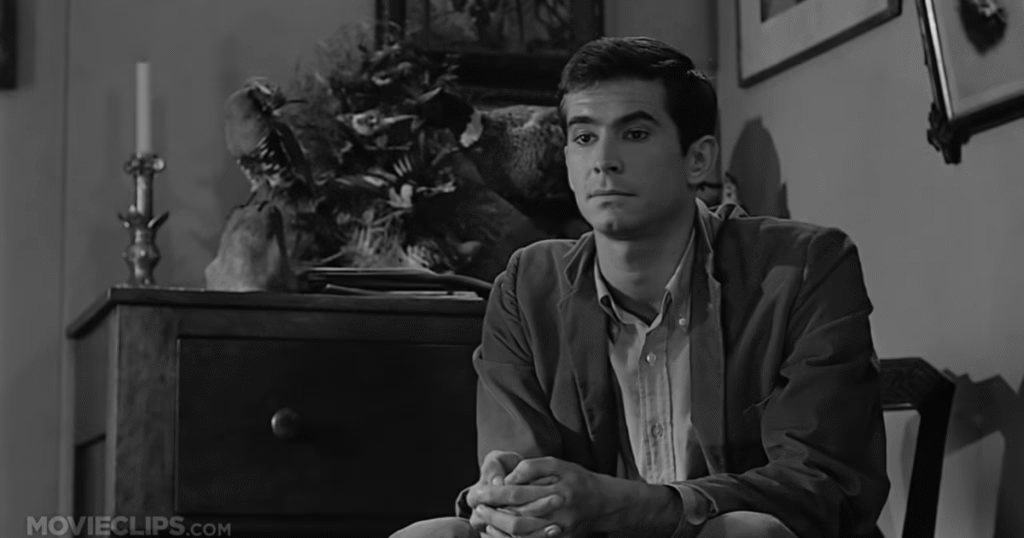
What makes Norman compelling is not just his crimes but the way Hitchcock implicates the audience. Through carefully staged point-of-view shots, viewers become silent accomplices, drawn into Norman’s perspective as he cleans up after murder. This uneasy alignment with the villain was revolutionary and continues to challenge viewers’ sense of morality.
Visuals, Music, and the Art of Fear
Psycho thrives on Hitchcock’s meticulous control of craft. John L. Russell’s stark black-and-white cinematography heightens both realism and shadowy unease, while Bernard Herrmann’s piercing score remains one of the most recognizable in film history.
The infamous shower scene epitomizes Hitchcock’s genius: rapid cuts, shrieking violins, and flashes of terror that suggest more than they show. The violence is as much psychological as visual, forcing the audience’s imagination to fill in the horror. Even today, the scene retains its power to disturb.
Other sequences—like the staircase murder, or the lingering shots of the looming Gothic house—extend the theme of entrapment. The Bates home becomes a visual metaphor for Norman’s fractured psyche: grand yet decayed, secretive yet inescapable.
A Lasting Legacy
More than six decades later, Psycho still feels fresh. Its influence can be traced across horror, thrillers, and even mainstream pop culture. The concept of the unreliable character, the shocking mid-film twist, and the intertwining of sexuality, repression, and violence have been echoed in countless works.
Beyond genre impact, the film resonates because it taps into universal fears—loneliness, hidden desires, and the idea that evil can exist quietly behind the most ordinary façades. Hitchcock’s invitation to “not spoil the ending” remains a playful yet serious reminder: Psycho is best experienced with as little prior knowledge as possible.
Final Verdict
Alfred Hitchcock’s Psycho is not just a movie but a cinematic milestone. Its shocking storytelling, unforgettable performances, and enduring ability to provoke analysis secure its place as one of the greatest films ever made. Whether revisiting or discovering it for the first time, audiences will continue to find new layers beneath its surface.
Bullseye Rating:★★★★★ (5/5 stars)